6300 S Cooper St.
Arlington, TX 76001

Laser Therapy
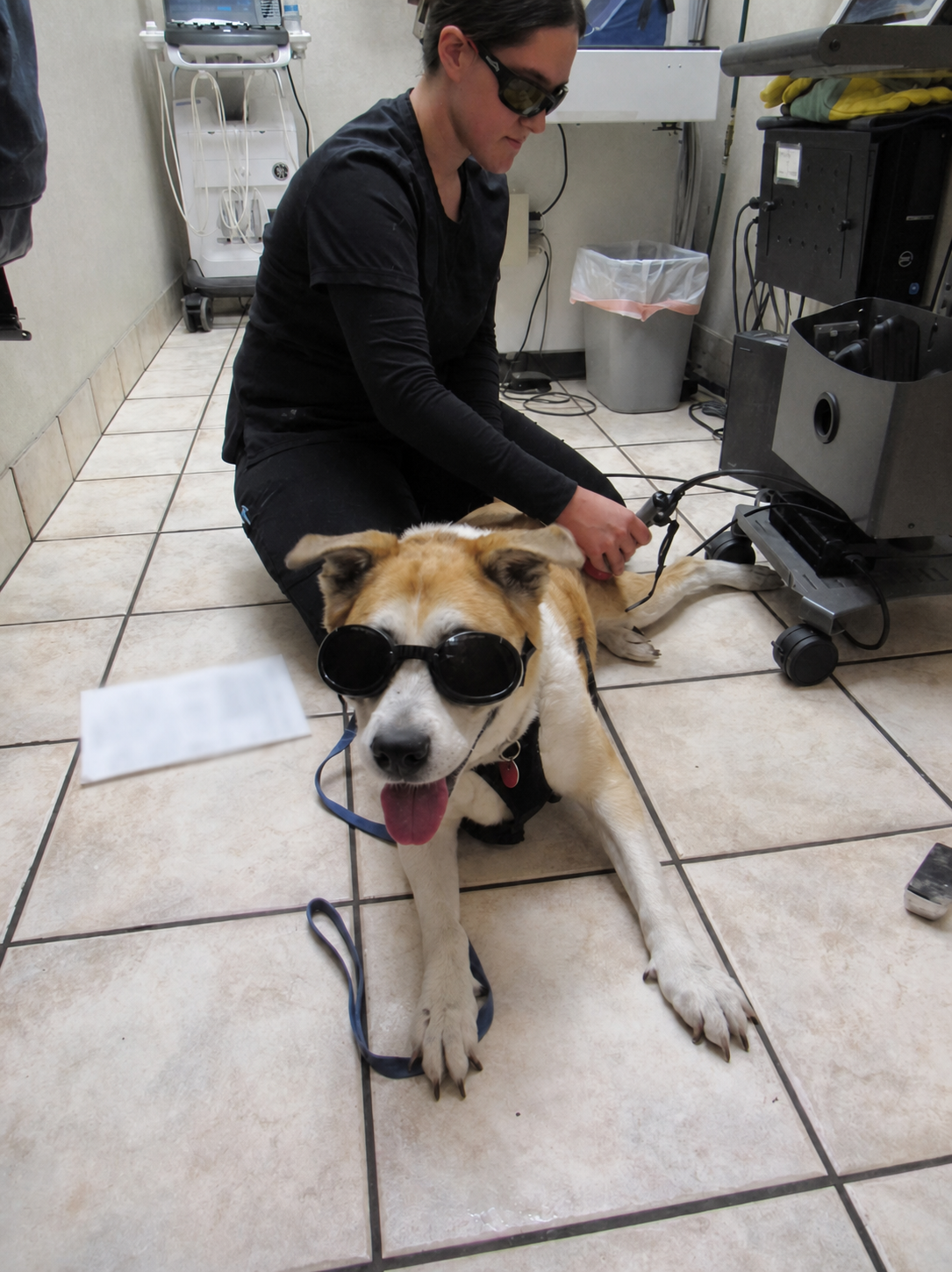
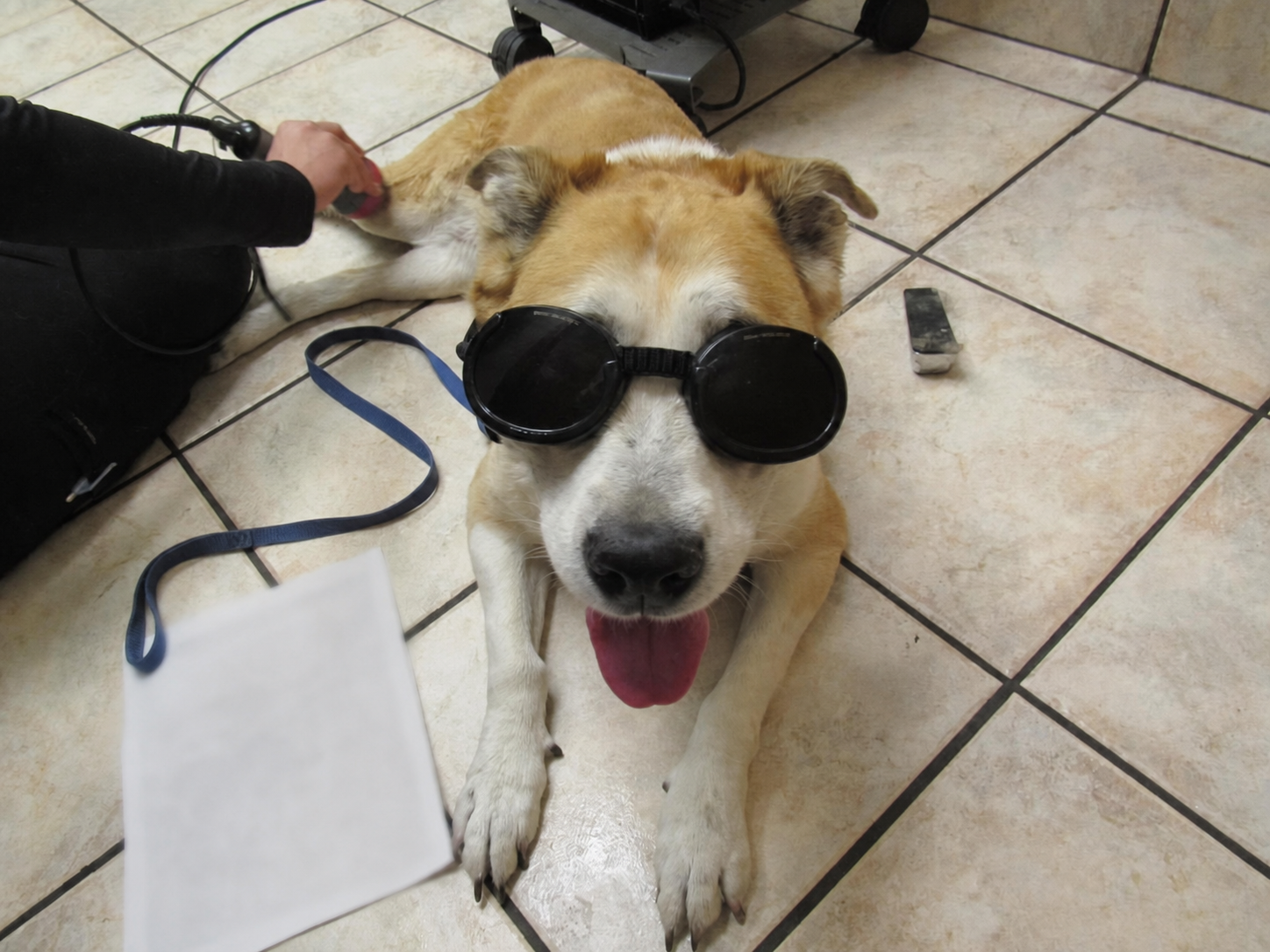
What Is Laser Therapy for Dogs?
Laser therapy is a non-invasive treatment used in veterinary medicine to help manage pain, inflammation, and tissue healing. The treatment uses specific wavelengths of light, ranging from visible red light to infrared, to stimulate biological processes within the body. This interaction between light and tissue is known as photobiomodulation.
Therapeutic laser treatment, sometimes referred to as cold laser or low-level laser therapy, may help support healing and reduce discomfort by:
Encouraging the release of endorphins, which can help reduce pain
Decreasing the release of inflammatory chemicals
Promoting lymphatic drainage to help reduce swelling
Increasing blood flow to the treated area
Most dogs do not require sedation for laser therapy and are able to rest comfortably during their treatment.
Treatment times vary depending on the condition and the size of the area being treated. A small wound may require only a few minutes of treatment, while treating several joints or larger areas may take considerably longer.
The recommended treatment schedule also depends on the condition. Some wounds may benefit from frequent treatments, while chronic conditions such as arthritis may initially be treated several times per week before transitioning to a longer-term maintenance schedule.
While veterinary laser therapy is not offered at every animal hospital, its use has become increasingly common in veterinary rehabilitation, specialty practices, and general veterinary hospitals.
Source: Adapted from Rhiannon Koehler, DVM, Laser Therapy for Dogs, PetMD, published April 30, 2024.
Quick Links

All Services
Learn More
Keep
In Touch
© 2026 Gully Animal Hospital. All rights Reserved - Accessibility Statement - Privacy Policy - Sitemap
Powered by